
Top-Rated Supplies For Tuck Point Repair Projects You Can Trust
Choose from premium products designed to deliver professional-quality tuck point repairs with ease and efficiency.
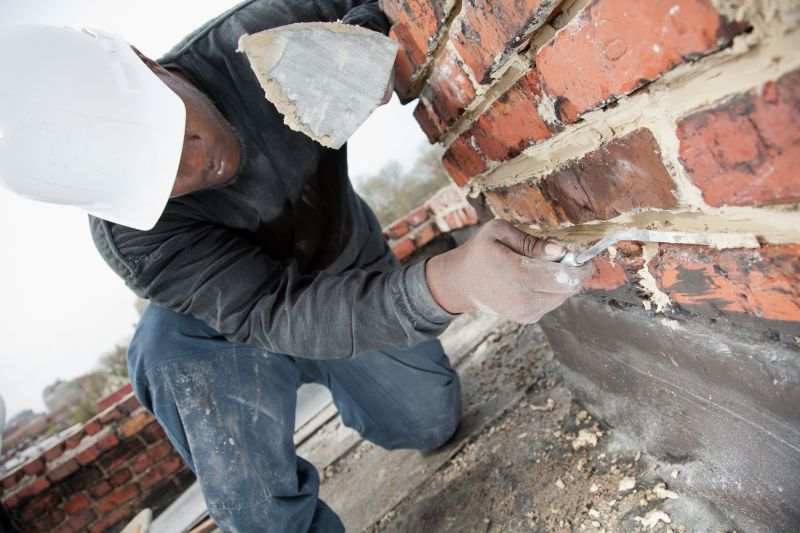 Tuck point repairs are essential for maintaining the structural integrity and aesthetic appeal of brickwork and masonry structures. Over time, mortar joints can deteriorate due to weather exposure, settling, or age, leading to cracks, gaps, and potential water infiltration. Selecting the right products for tuck point repairs ensures that repairs are durable, weather-resistant, and visually cohesive with existing masonry. These products range from specialized mortars and sealants to tools designed for precise application. Understanding the variety of options available can help homeowners and professionals alike make informed decisions to preserve the longevity of their masonry work.
Top Overall Option
High-Performance Masonry Repair Mortar
This versatile repair mortar is designed for a wide range of tuck point applications, offering excellent adhesion, weather resistance, and compatibility with various masonry types. Its easy-to-mix consistency allows for precise application, making it suitable for both small repairs and larger restoration projects. The mortar's color-matching capabilities help achieve seamless blends with existing joints, enhancing the overall appearance of the masonry. Its durable formulation ensures long-lasting repairs that can withstand outdoor conditions, making it a reliable choice for both DIYers and professionals.
Types of Products For Tuck Point Repairs
Pre-mixed Mortar Mixes
Ready-to-use mortar mixes that simplify the repair process by eliminating the need for mixing, ideal for small to medium repairs.
Color-Matching Mortars
Specialized mortars formulated to match existing mortar colors for seamless repairs.
Hydraulic Lime Mortar
A breathable, flexible mortar suitable for historic masonry restoration and areas requiring vapor permeability.
Polymer-Enhanced Repair Mortars
Mortars with added polymers for increased adhesion, flexibility, and water resistance.
Sealants and Caulks
Flexible sealants used to fill small cracks and gaps, providing weatherproofing and preventing water ingress.
Pointing Trowels
Tools designed for applying and shaping mortar during tuck point repairs.
Joint Rakers
Tools used to remove old mortar from joints, preparing the surface for new mortar application.
Brushes and Sponges
Used for cleaning joints and blending mortar for a natural finish.
Bonding Agents
Primers that enhance adhesion between old and new mortar layers.
Waterproofing Sealers
Protective coatings that help prevent water penetration after repairs.
Masonry Saws and Cutting Tools
Equipment for precise removal of damaged mortar and masonry shaping.
Mortar Color Dyes
Pigments added to mortar to achieve specific color matches.
Flexible Repair Patches
Repair patches for quick fixes on larger cracks or damaged areas.
Mortar Additives
Additives that improve workability, setting time, and durability of mortar mixes.
Popular Choices
A widely used mortar suitable for various tuck point repair applications, appreciated for its ease of use.
A popular choice for seamless blending with existing mortar colors.
Favored for historic restoration projects and areas requiring breathable mortar.
Known for its enhanced adhesion and flexibility, suitable for challenging conditions.
Commonly used for sealing small cracks and preventing water infiltration.
Essential for shaping and finishing mortar joints with precision.
Popular for preparing joints by removing old mortar efficiently.
Helpful for finishing and blending mortar for a natural look.
Used to improve adhesion between old and new mortar layers.
Effective for protecting repaired areas from moisture damage.
Preferred for precise removal of damaged mortar or masonry sections.
Popular for customizing mortar to match existing joints.
Convenient for immediate repairs on larger cracks or damaged joints.
Proper tuck point repair involves more than just filling cracks; it requires matching the mortar color, texture, and composition to the existing joints. This process often involves removing damaged mortar, cleaning the joint area, and carefully applying new mortar or repair compounds. The right products can simplify this process, providing ease of application and consistent results. Whether you are tackling small cracks or extensive deterioration, choosing appropriate materials is key to achieving a seamless and lasting repair.
In addition to repair mortars, there are various tools and accessories that assist in the tuck point process. These include pointing trowels, joint rakers, and masking tapes that help create clean lines and professional finishes. Some products are formulated for specific types of masonry or environmental conditions, making it important to consider the compatibility of materials with your project. Proper preparation and the use of high-quality products can significantly extend the lifespan of your masonry repairs, preventing further damage and maintaining the structural integrity of your building.
Overall, investing in the right tuck point repair products can make a noticeable difference in both the appearance and durability of your masonry. Whether you are a DIY enthusiast or a professional mason, understanding the different product options and their applications will help you achieve effective, long-lasting results. Remember that patience, preparation, and selecting the appropriate materials are crucial steps in every successful tuck point repair project.
Key Buying Considerations
- Compatibility with existing masonry materials and mortar types.
- Color-matching capabilities to ensure seamless repairs.
- Weather resistance and durability for outdoor applications.
- Ease of mixing and application, especially for DIY projects.
- Flexibility of the mortar or sealant to accommodate movement and settling.
- Compatibility with historic or delicate masonry if applicable.
- Waterproofing properties to prevent future water damage.
- Curing time and workability window for efficient application.
- Availability of matching colors or pigments for aesthetic consistency.
- Type of tool accessories needed for precise application and finishing.
- Environmental conditions during application, such as temperature and humidity.
- Long-term performance and resistance to cracking or crumbling.
- Ease of cleaning tools and workspace after application.
- Cost-effectiveness considering the scope of the project.
- Brand reputation and customer reviews for reliability.