Optimal Timing for Tuck Point Repairs
Tuck point repairs are most effective when performed during dry and mild weather conditions. Optimal temperatures range between 40°F and 70°F, avoiding extremes of heat or cold which can affect mortar curing and adhesion. Moisture levels should be low, as high humidity or rain can hinder the process and compromise the repair quality.
Spring and fall typically provide the best weather for tuck point repairs, with moderate temperatures and lower humidity levels.
Performing repairs during rainy, freezing, or extremely hot weather can lead to poor mortar bonding and reduced durability.
Large temperature swings can cause mortar to crack or not set properly, making stable weather essential for quality repairs.
Scheduling tuck point work during stable weather conditions ensures longer-lasting repairs and reduces the need for frequent maintenance.
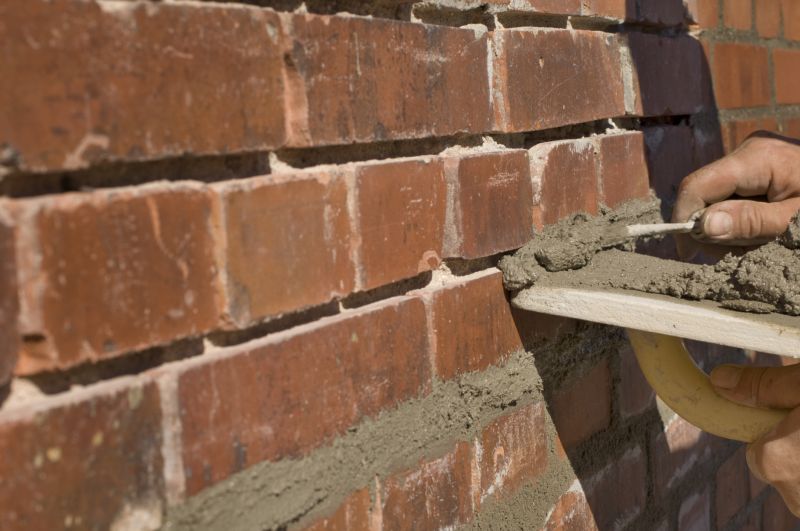
Spring offers moderate temperatures ideal for tuck point work, minimizing weather-related delays.
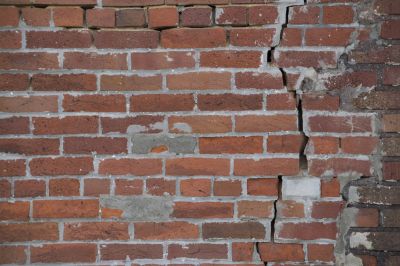
Fall provides cooler, dry weather suitable for durable tuck point repairs.
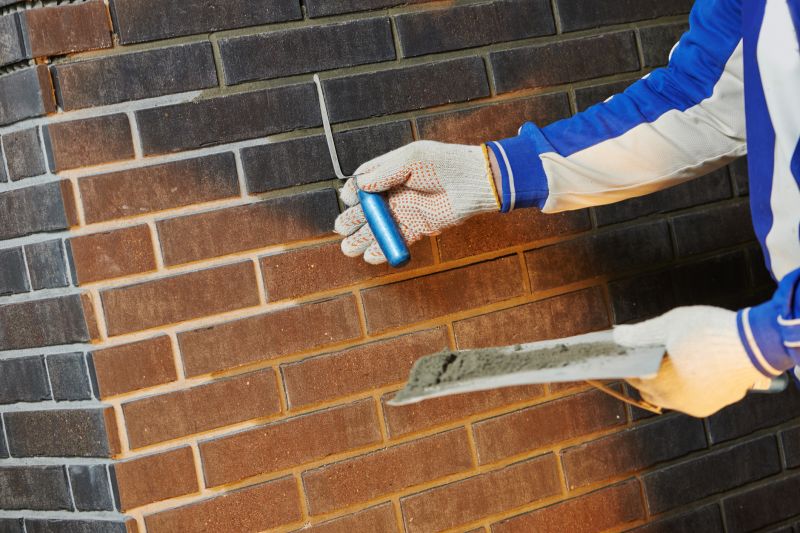
Performing repairs during dry periods ensures proper mortar curing and adhesion.
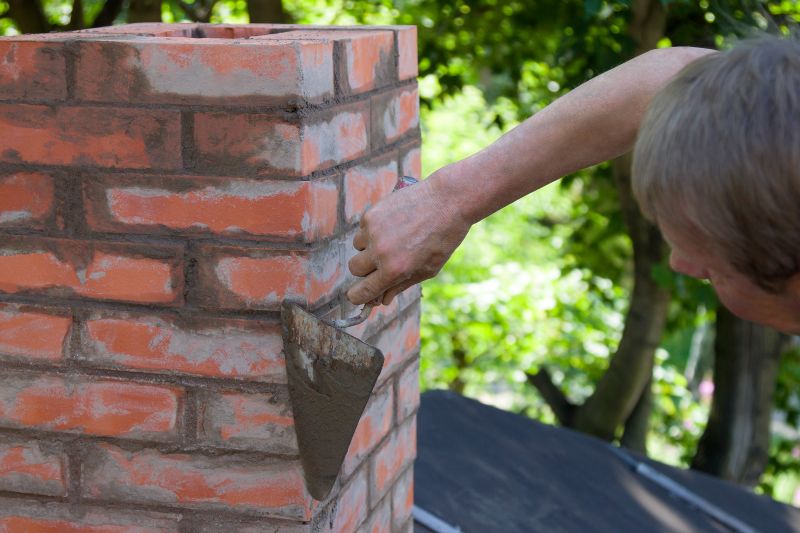
Cold temperatures can cause mortar to freeze, leading to cracking and poor bonding.
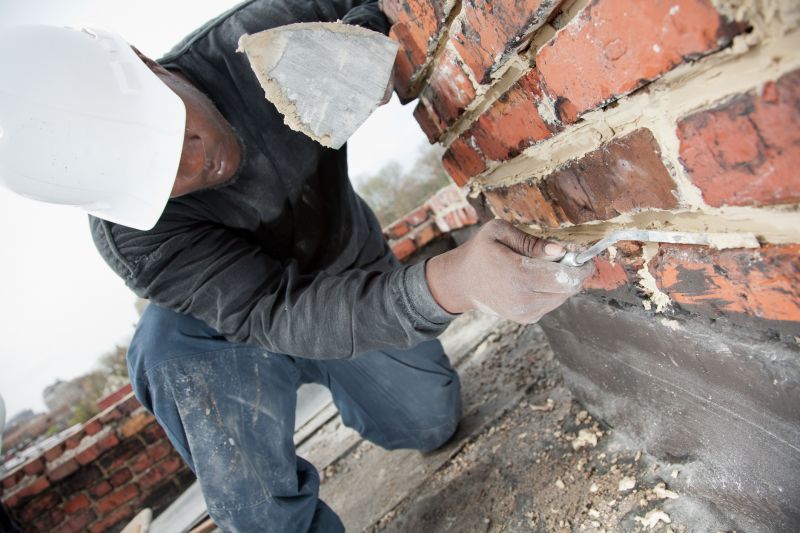
High heat can cause mortar to dry too quickly, resulting in cracks and weak joints.
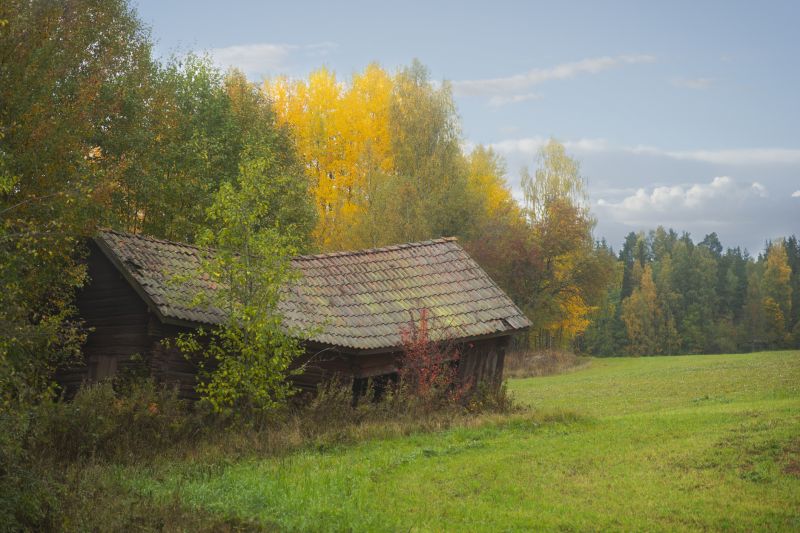
Scheduling during stable weather reduces repair failures and extends lifespan.
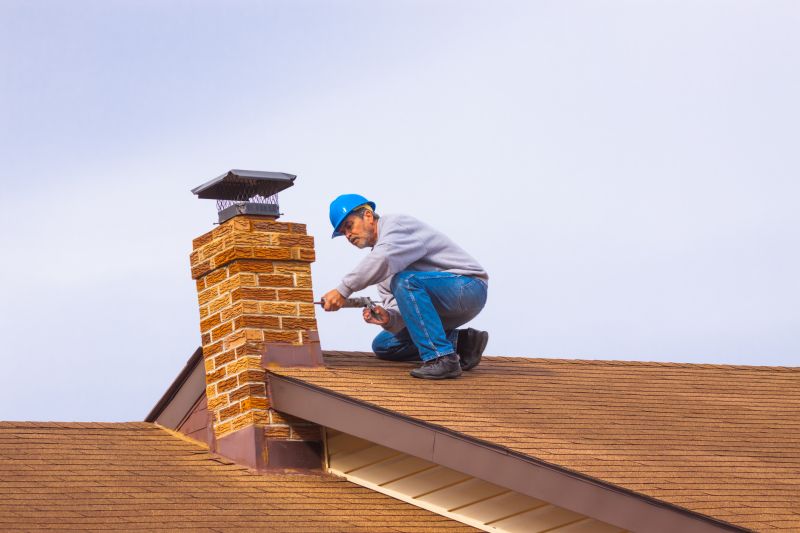
Checking weather forecasts helps determine the best days for tuck point work.
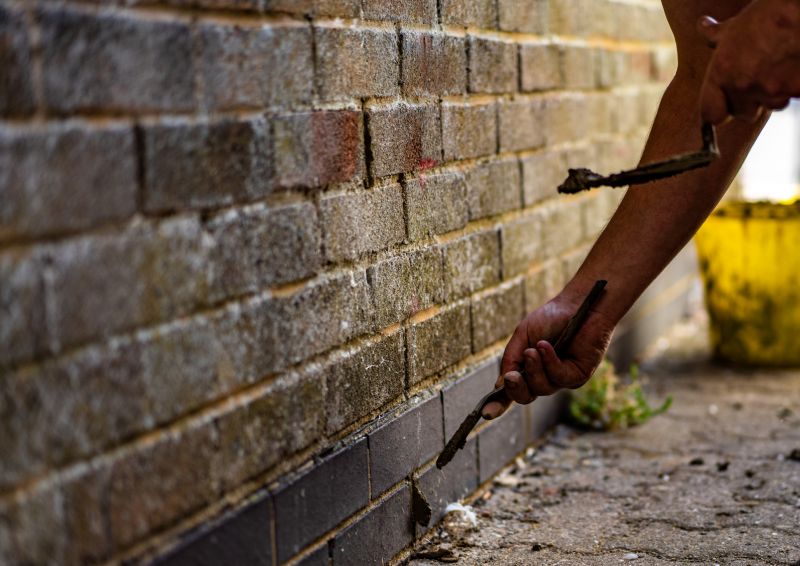
Adjusting repair schedules to seasonal weather patterns ensures better results.
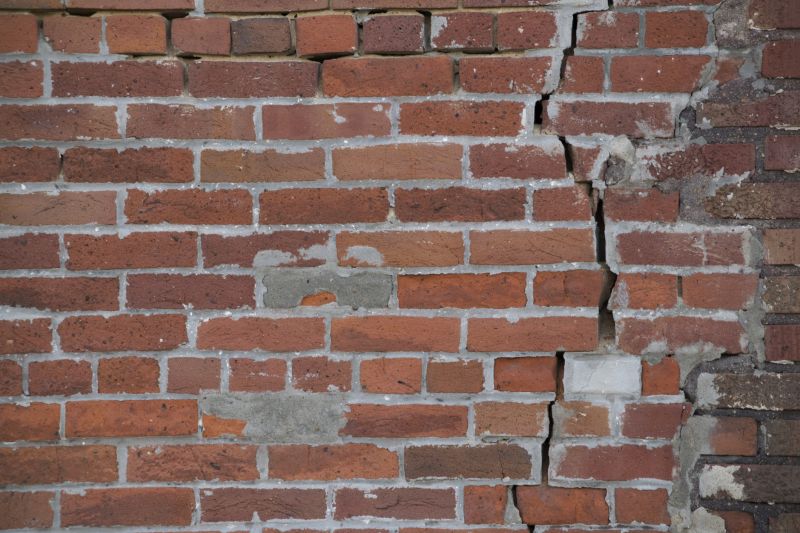
Avoid heavy rain or freezing temperatures immediately after repairs to ensure proper curing.
| Season | Recommended Conditions |
|---|---|
| Spring | Moderate temperatures, low humidity, dry weather |
| Summer | Early morning or late evening repairs to avoid heat |
| Fall | Cool, dry weather with stable temperatures |
| Winter | Not recommended due to freezing temperatures and moisture |
| General | Avoid rainy days and extreme temperature fluctuations |
Tuck point repairs involve removing deteriorated mortar from between bricks and replacing it with fresh mortar. This process restores the structural integrity and appearance of masonry walls. Proper timing ensures that the mortar cures effectively, preventing future cracking or deterioration. Regularly scheduled tuck point work can extend the lifespan of brickwork by protecting it from water infiltration and weather damage.
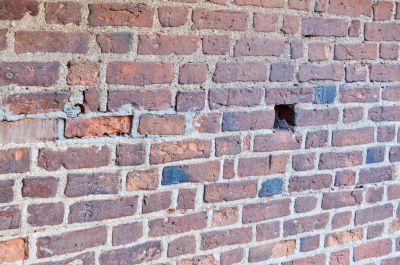
Completed during optimal weather conditions for durable results.
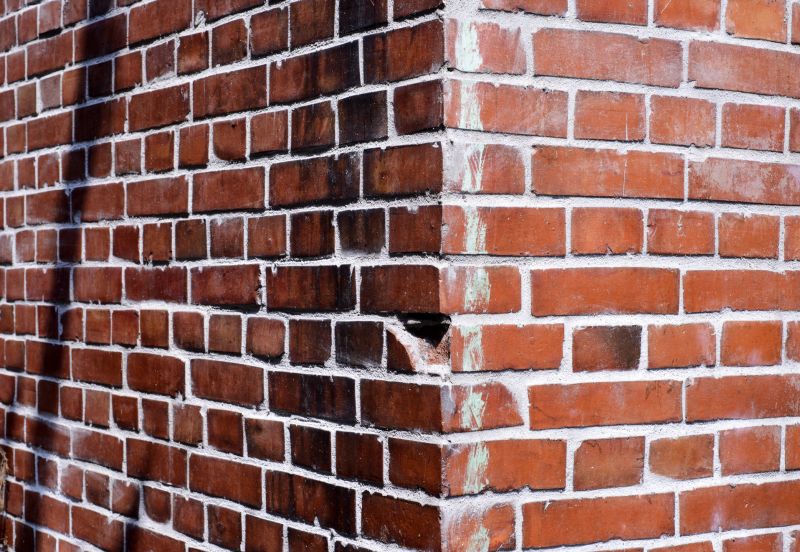
Shows the difference in appearance and structural integrity.
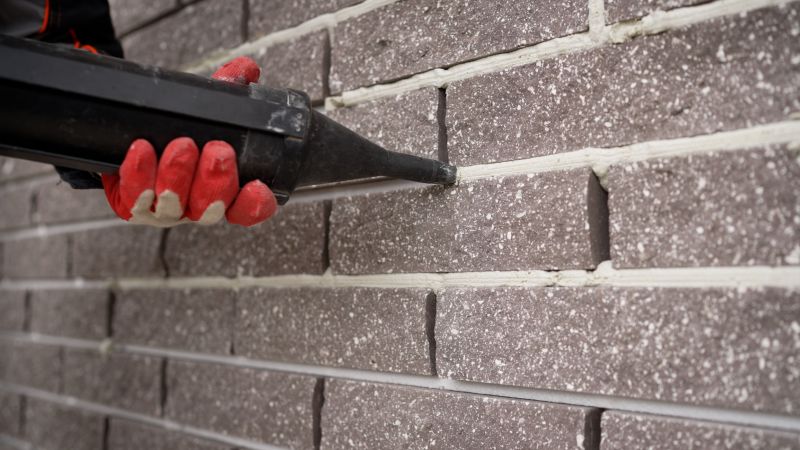
Illustrates the process of tuck pointing in progress.
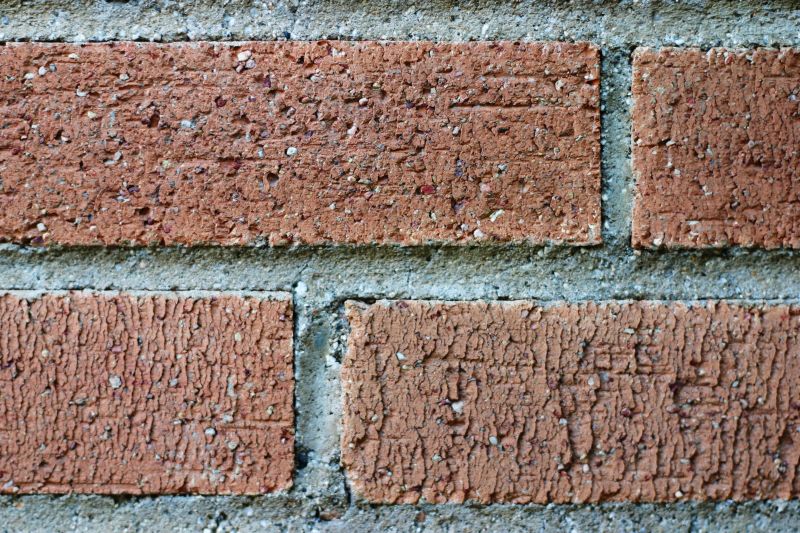
Results of a properly timed repair project.
Interested in tuck point repairs? Filling out the contact form can provide additional information and help schedule work during the most suitable weather conditions for lasting results.