What Tuckpointing Is and Why It’s Critical for Commercial Buildings
Commercial tuckpointing involves repairing and restoring brickwork to protect buildings, and local contractors can help ensure your property remains durable and visually appealing.
If you own or manage a commercial building, understanding what tuckpointing is and why it’s critical can help safeguard your property’s integrity and appearance. Tuckpointing involves repairing and restoring the mortar joints between bricks or stones, which can deteriorate over time due to weather, age, or structural shifts. Properly maintained mortar not only enhances the aesthetic appeal of a building but also plays a vital role in preventing water intrusion, structural damage, and costly repairs down the line. Local contractors specializing in commercial tuckpointing are equipped to assess the condition of your building’s masonry and provide the necessary services to keep it in top shape.
Exploring this topic is especially relevant for property owners in the area who want to maintain the value and safety of their commercial spaces. Whether dealing with visible cracks, crumbling mortar, or just routine upkeep, working with experienced service providers can ensure that your building’s exterior remains durable and visually appealing. Tuckpointing is a practical step toward protecting your investment, and local experts are ready to help evaluate your needs and deliver quality solutions tailored to your property’s unique requirements. Keep reading to learn more about how tuckpointing services play a key role in maintaining the strength and longevity of commercial buildings.
- Commercial tuckpointing - when the mortar between bricks shows signs of deterioration, local contractors can restore the integrity and appearance of the building’s facade.
- Brick repair and restoration - if cracks or crumbling mortar threaten the structural stability of a commercial building, local service providers can perform precise tuckpointing to reinforce it.
- Facade maintenance - for buildings with aging or damaged mortar joints, local pros approach tuckpointing as a key step to prevent further deterioration and maintain aesthetic appeal.
- Structural preservation - when mortar joints weaken over time, professionals use tuckpointing techniques to help preserve the building’s stability and extend its lifespan.
- Building renovation - during commercial building upgrades, local contractors often include tuckpointing to ensure the masonry remains durable and visually appealing.
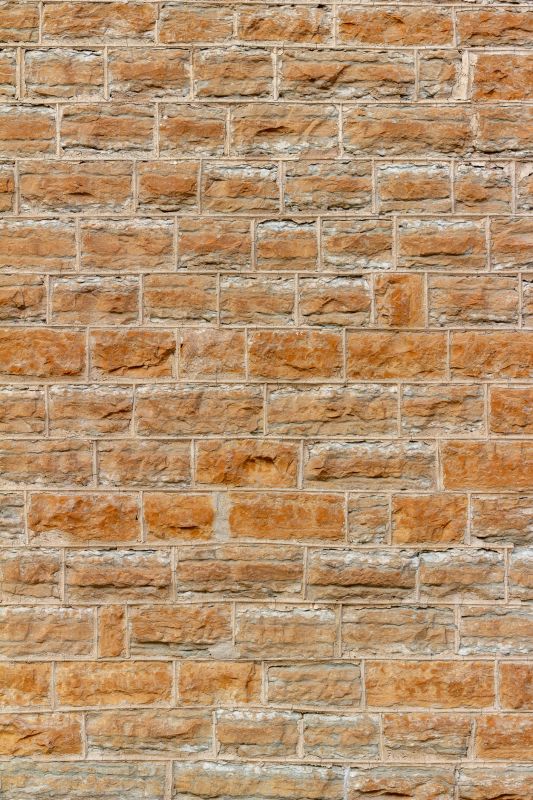
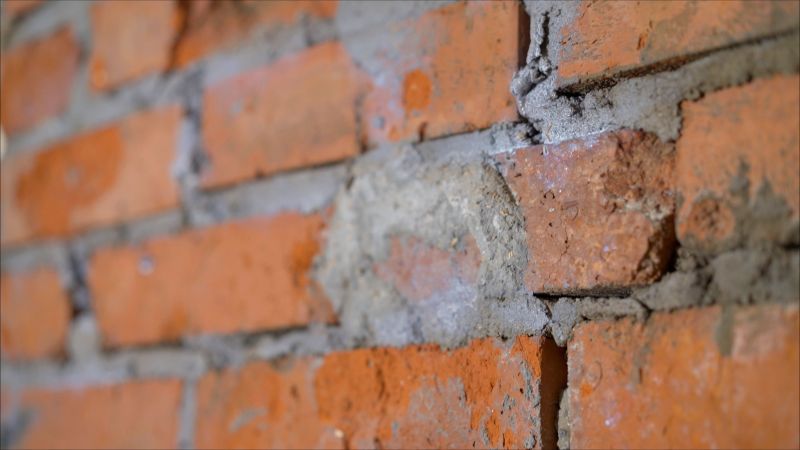
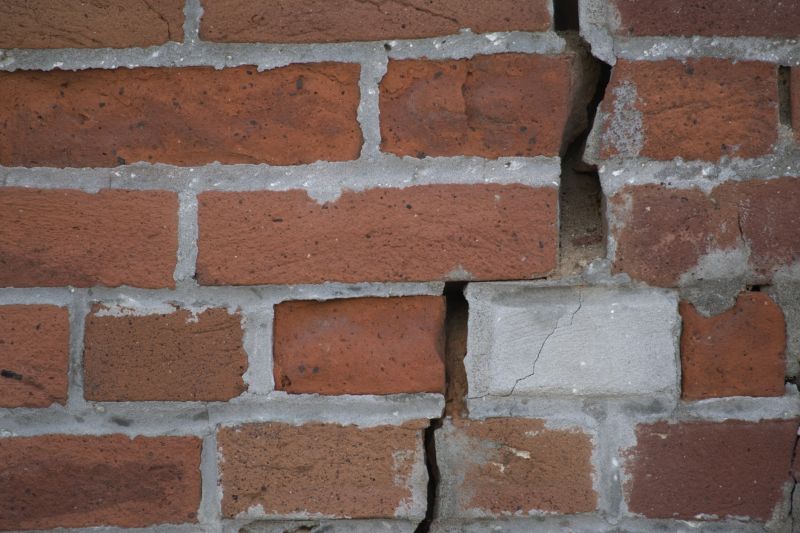
Tuckpointing is a specialized masonry repair technique that involves removing deteriorated mortar from between bricks or stones and replacing it with fresh mortar. When people search for what tuckpointing is and why it’s critical for commercial buildings, they are often trying to understand how this process helps maintain the structural integrity and appearance of their properties. Over time, exposure to weather, pollution, and general wear can cause mortar joints to crack, crumble, or erode. Tuckpointing addresses these issues by restoring the mortar, which holds the masonry units securely in place, preventing further damage and deterioration.
This service is closely related to property preservation and renovation plans, especially for buildings that are several decades old or have experienced neglect. Commercial buildings such as office complexes, retail centers, warehouses, and multi-family apartment buildings often require tuckpointing to prevent moisture intrusion and structural weakening. When mortar joints are compromised, water can seep into the walls, leading to more extensive damage like mold, interior deterioration, or even foundation problems. Regular tuckpointing can be a proactive step in maintaining the building’s safety, appearance, and value, making it an essential part of ongoing property management.
In terms of property types, tuckpointing is most commonly associated with brick and stone facades, which are prevalent in many commercial structures. Older brick buildings, in particular, are prime candidates for this work because their mortar joints tend to degrade faster than the bricks themselves. However, it is also relevant for concrete block constructions and other masonry-based exteriors. Commercial property owners often seek out local contractors who specialize in tuckpointing because they understand the unique demands of these structures. These service providers can assess the condition of the masonry, recommend appropriate repairs, and perform the work efficiently to ensure the building remains structurally sound and visually appealing.
For property managers and owners, understanding what tuckpointing involves and why it’s vital for commercial buildings helps inform maintenance decisions. When mortar joints show signs of cracking, crumbling, or staining, it indicates that repair is needed to prevent further damage. Local contractors who specialize in tuckpointing can evaluate the condition of the masonry and provide tailored solutions that extend the lifespan of the building’s exterior. Engaging experienced service providers ensures that repairs are performed correctly, safeguarding the structure against weather-related damages and preserving the property’s overall integrity for years to come.
Masonry Restoration - this project involves repairing and restoring brick and stone structures, requiring similar skills in matching mortar and working with existing materials as in tuckpointing for commercial buildings.
Brick Repair and Replacement - replacing damaged or deteriorated bricks involves precise matching and careful planning, paralleling the skills needed for effective tuckpointing work.
Facade Cleaning and Preservation - cleaning and maintaining building exteriors demands knowledge of masonry materials and techniques, which are also essential for proper tuckpointing services.
Chimney Repair and Restoration - restoring chimneys involves masonry work that requires attention to detail and mortar matching, similar to tuckpointing for structural integrity.
Stonework Restoration - restoring historic stone facades involves detailed craftsmanship and material handling, aligning with the skills used in tuckpointing projects.
Structural Crack Repair - addressing cracks in masonry walls necessitates understanding of structural stability and mortar work, closely related to the skills used in tuckpointing for commercial buildings.
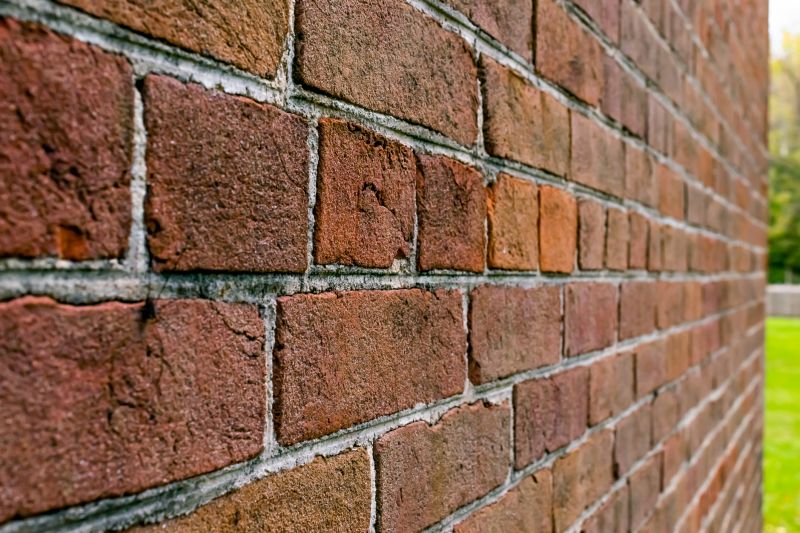
When evaluating commercial tuckpointing services, it is essential to consider the experience of local contractors with similar projects. Tuckpointing involves precise work that can vary based on the building’s age, materials, and structural needs. Contractors who have successfully handled projects comparable in scope and complexity are more likely to understand the nuances involved and deliver quality results. Asking about their past work or reviewing portfolios can provide insight into their familiarity with commercial buildings and their ability to address specific challenges that may arise during the tuckpointing process.
Clear written expectations are vital when choosing a service provider for tuckpointing work. A reputable contractor should be able to outline the scope of work, materials to be used, and the overall approach in a straightforward manner. This ensures that both parties are aligned on what the project entails, reducing misunderstandings and setting the stage for a smooth process. It’s also helpful to look for providers who are transparent about their methods and willing to provide detailed proposals or written estimates, which can serve as a reference throughout the project.
Good communication and reputable references are key indicators of a dependable contractor. Service providers who maintain open lines of communication are more likely to keep clients informed about progress and address any questions or concerns promptly. Additionally, requesting references from previous clients with similar commercial projects can help verify the contractor’s reliability and quality of work. Reliable local pros often have established reputations built on consistent performance, making it easier for property owners to feel confident in their choice and ensure the tuckpointing work will contribute to the building’s structural integrity and aesthetic appeal.
Property owners often search for what tuckpointing is and why it’s critical for commercial buildings when they are planning practical projects around their homes and businesses. Local pros provide Commercial Tuckpointing services for everyday jobs and straightforward project options.
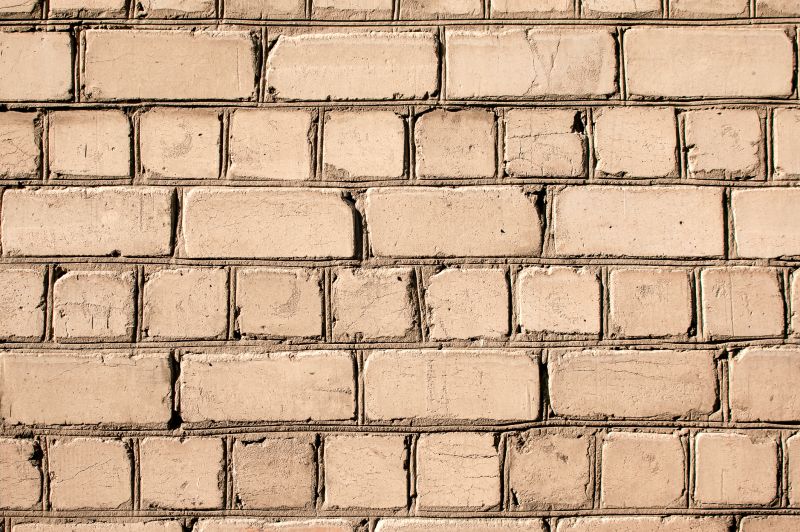
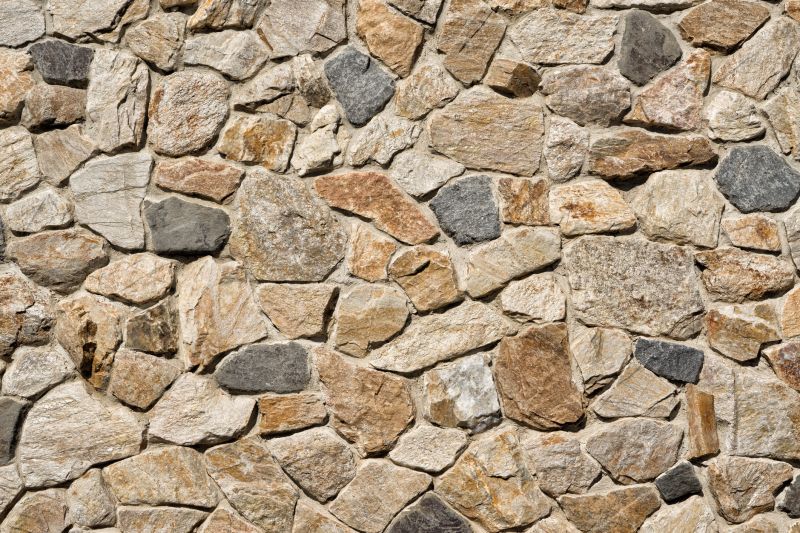
Understanding what tuckpointing is and why it’s critical for commercial buildings can help property owners recognize the importance of maintaining their structures. Over time, mortar joints between bricks can deteriorate due to weather exposure and age, leading to cracks or crumbling mortar. This not only affects the appearance of a building but can also compromise its structural integrity. Local contractors who specialize in tuckpointing can assess these issues and perform repairs to restore the strength and aesthetic of the brickwork, preventing more costly problems down the line.
For business owners and property managers, keeping a commercial building in top condition is essential for safety and curb appeal. When mortar joints become damaged or worn, it’s a sign that professional tuckpointing services may be needed. Skilled local service providers can remove old, damaged mortar and replace it with fresh material, ensuring the building remains durable and visually appealing. Regular inspections and timely repairs by experienced contractors can help maintain the value and safety of commercial properties, making tuckpointing an important aspect of building upkeep.
What is tuckpointing and how does it relate to commercial buildings? Tuckpointing is a masonry repair process that involves removing damaged mortar and replacing it to restore the integrity and appearance of brickwork, which is essential for maintaining the structural stability of commercial buildings.
Why is tuckpointing important for the longevity of commercial buildings? Proper tuckpointing helps prevent water infiltration, freeze-thaw damage, and structural deterioration, making it a critical maintenance step to extend the lifespan of commercial properties.
How do local contractors perform tuckpointing on commercial structures? Experienced service providers carefully remove compromised mortar, clean the joints, and apply new mortar that matches the existing, ensuring both durability and aesthetic consistency for commercial buildings.
Can tuckpointing help improve the appearance of a commercial building? Yes, tuckpointing can significantly enhance the visual appeal by restoring the brickwork’s original look and covering up any unsightly damage or deterioration.
What are the signs that a commercial building needs tuckpointing? Common indicators include crumbling or missing mortar, cracks in the brickwork, water stains, or visible deterioration around the joints, signaling the need for professional tuckpointing services.
Assessing masonry integrity - property owners can evaluate the condition of their building’s brickwork to identify areas needing tuckpointing, ensuring timely repairs with help from local contractors.
Preventing water damage - understanding how tuckpointing seals joints can guide property owners in maintaining their buildings’ exterior to avoid costly water-related issues.
Preserving building appearance - planning regular tuckpointing projects can help maintain a clean, professional look for commercial properties, attracting tenants and clients.
Scheduling maintenance routines - property owners can incorporate tuckpointing into their building upkeep plans to prolong the lifespan of their masonry with assistance from local service providers.
If you are thinking about what tuckpointing is and why it’s critical for commercial buildings for a property, this guide is meant to help you understand this topic, the typical project types, and how different options might fit your plans.
When you are ready, you can use the quote form on this page to share a few details about your project. From there, local pros can review the basics and follow up with options that match what you have in mind.